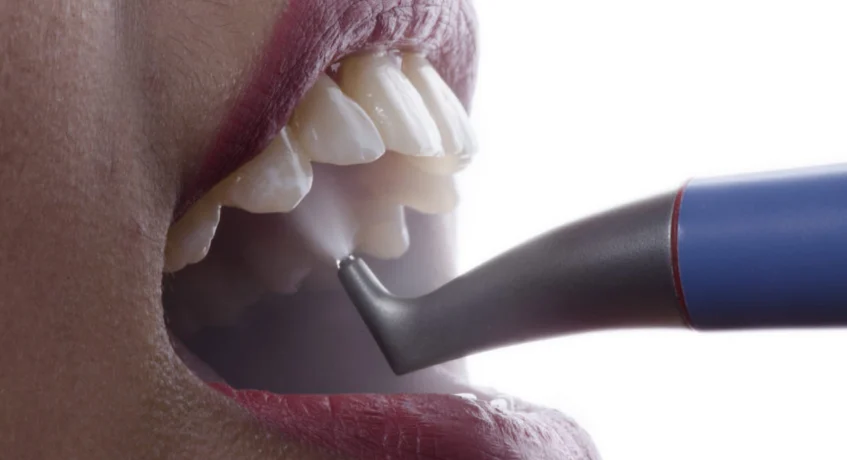
Sensitive Teeth? Why Air Polishing Might Be a Gentler Option
If you’ve ever felt that sharp, uncomfortable zing during a dental cleaning, you’re not alone. Many patients, especially those with sensitive teeth, find routine cleanings slightly intimidating. Not because they don’t understand their importance, but because of how they feel during the procedure.
As dentists, we see this all the time. The good news is that dentistry has evolved. Today, we have options that are not just effective, but also far more comfortable. One such option is air polishing.
Why do teeth feel sensitive during cleaning?
To understand this, it helps to know what’s actually happening during a dental cleaning. Over time, a layer of plaque builds up on the teeth. If not removed properly, it hardens into tartar, which firmly attaches itself to the tooth surface.
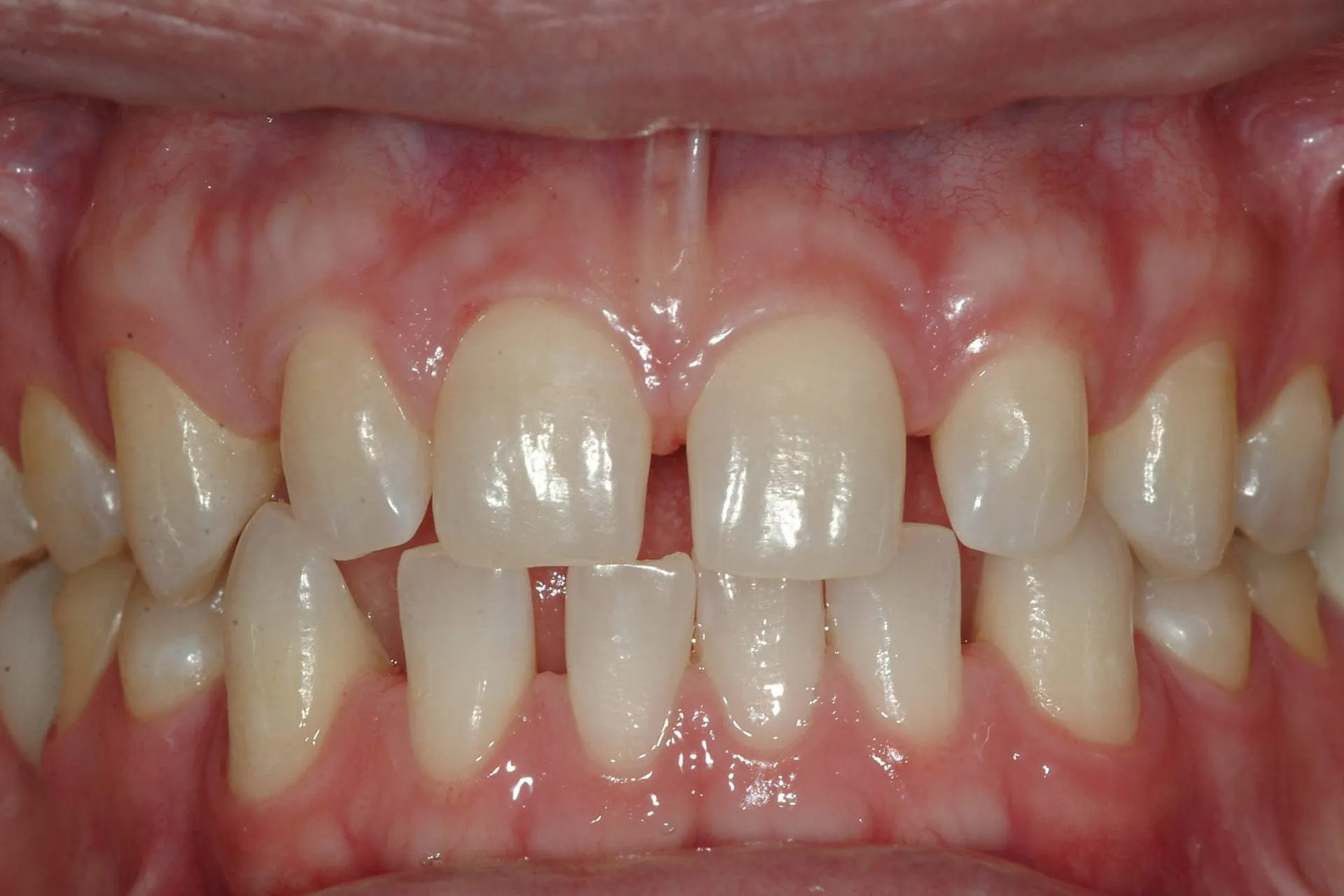
Traditional cleaning, or scaling, works by mechanically removing these deposits using ultrasonic vibrations or hand instruments. This method is highly effective and absolutely necessary in many cases. However, the vibrations and physical contact with the tooth surface can sometimes trigger sensitivity, especially if the enamel is worn down, the gums have receded, or the inner dentin layer is exposed.
This is often why some patients feel discomfort even during a routine visit.
What is air polishing?
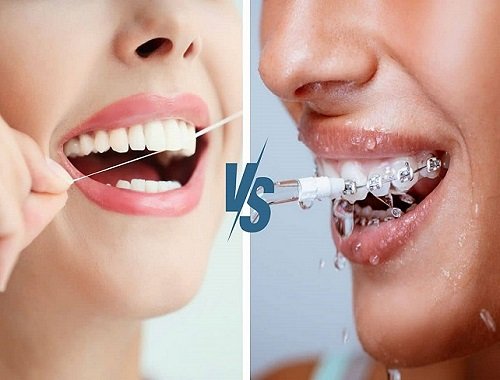
Air polishing takes a very different approach. Instead of scraping deposits off the teeth, it uses a controlled stream of air, water, and very fine powder particles to gently clean the surface.
You can think of it as a pressurized cleaning spray that washes away plaque and stains rather than physically chipping them off. Because there is minimal direct contact with the tooth, the experience is typically much more comfortable, especially for patients who are prone to sensitivity.
Air polishing vs scaling: how are they actually different?
The key difference lies in how each method works. Scaling is a mechanical process. It relies on physical contact, either through ultrasonic vibrations or manual instruments, to break down and remove hardened deposits like tartar. This makes it extremely effective, particularly when there is significant buildup or gum disease.
Air polishing, on the other hand, is non-contact in nature. It uses kinetic energy from the air-powder stream to disrupt and remove soft deposits like plaque and biofilm, along with surface stains from tea, coffee, or smoking. However, it does not have the ability to remove hardened tartar.
This distinction is important. Scaling is essential when there is deeper cleaning required, especially below the gum line. Air polishing works best as a gentler, surface-level cleaning method and is often used as a complement rather than a replacement.
What about comfort?
This is where most patients notice the biggest difference. Scaling can sometimes feel uncomfortable due to the vibrations, pressure, and contact with sensitive areas. For patients with exposed dentin or gum recession, even mild stimulation can feel quite intense.
Air polishing, in contrast, is generally perceived as significantly more comfortable. Since it avoids direct scraping and relies on a fine spray, it reduces the triggers that usually cause sensitivity. Many patients describe it as feeling lighter, quicker, and far less stressful.
When do we use each technique?
In clinical practice, the choice is not about picking one over the other. It is about using the right tool for the right situation.
- Scaling becomes essential when there is visible tartar buildup, signs of gum disease, or the need for deep cleaning. Ignoring this step would mean leaving behind deposits that can harm both teeth and gums.
- Air polishing, however, is an excellent option for maintenance visits, especially for patients who experience sensitivity. It is also particularly effective for removing stains and cleaning areas that are difficult to access with traditional instruments.
- In many cases, we combine both approaches, using scaling where necessary and finishing with air polishing to enhance comfort and cleanliness.
Are there any limitations to air polishing?
While air polishing is gentle and effective for certain applications, it is not a complete substitute for scaling. It cannot remove hardened tartar and is not suitable as a standalone treatment in patients with significant buildup or periodontal issues.
Additionally, it requires proper technique and case selection. Certain medical conditions, such as respiratory issues, may also need to be considered before opting for this method.
The takeaway
If you have been avoiding dental cleanings because of sensitivity, it is worth knowing that your experience does not have to be uncomfortable.
Air polishing offers a gentler alternative that can make a noticeable difference, especially during routine maintenance visits. At the same time, scaling remains an essential part of maintaining oral health when deeper cleaning is required.
The goal is not just to clean your teeth, but to do so in a way that feels manageable and comfortable for you. Sometimes, that is all it takes to change how you feel about sitting in the dental chair.