Teeth Spacing Increasing with Age? Here’s What It Means for Your Oral Health
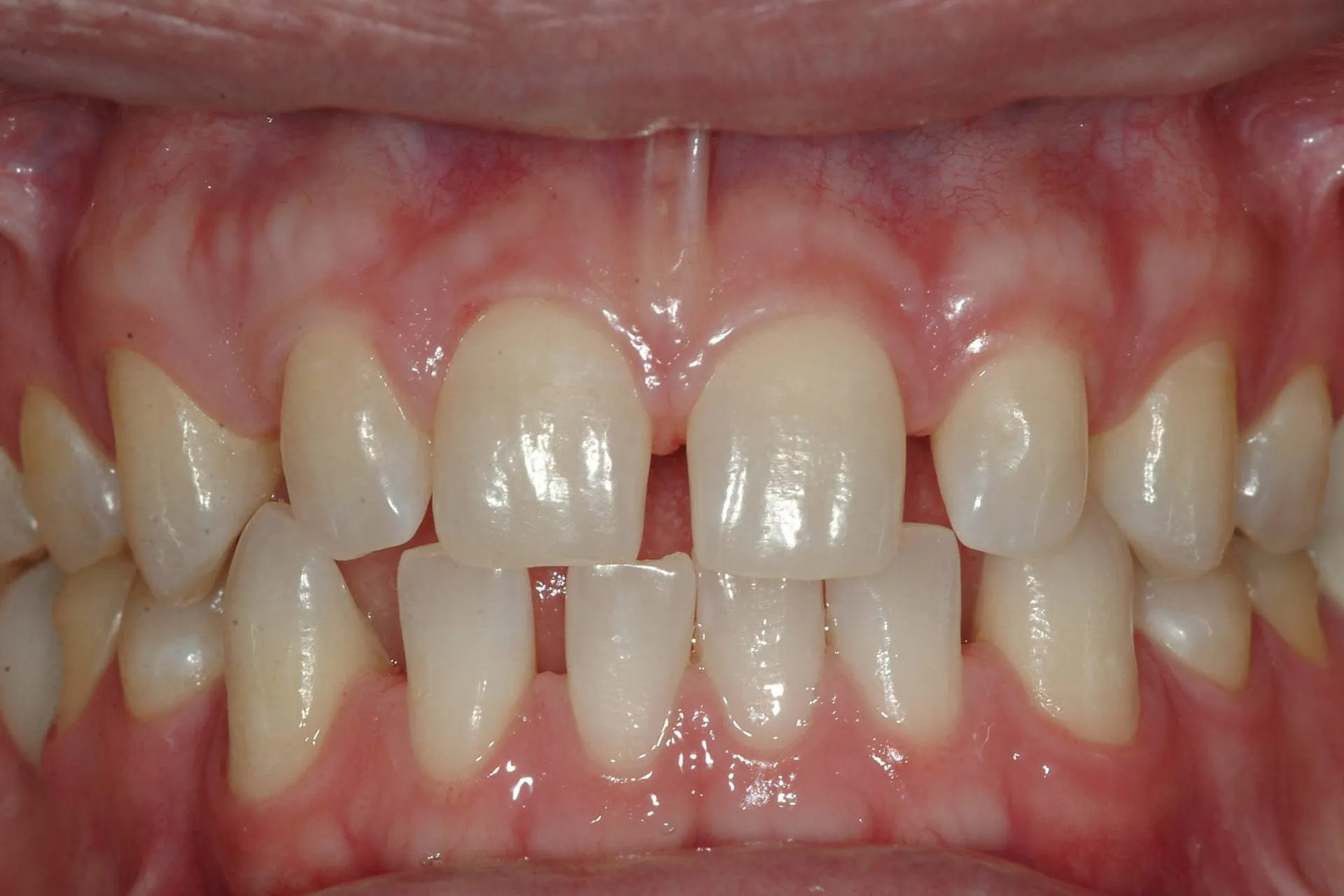
Have you ever caught yourself staring at your smile and wondering, “Were my teeth always this far apart?” It’s a subtle change, but once you notice it, it’s hard to unsee. The truth is, many adults experience increasing spacing between their teeth as they age and while it might feel sudden, it’s usually been happening quietly over time.
Do Teeth Really Move as We Age?
They do and more than we realize.
Teeth aren’t fixed rigidly in place; they are supported by bone and tiny ligaments that allow for slight movement. Over the years, as your mouth adapts to different forces and changes, your teeth can gradually shift position. It’s not dramatic or immediate, but small movements add up, eventually showing up as visible gaps.
Why Are These Gaps Appearing?
There’s rarely a single reason behind it. In most cases, it’s a combination of factors that slowly influence how your teeth sit.
- GUM HEALTH: Gum health plays a major role here. Your gums act as the foundation that holds your teeth in place. When they begin to recede or weaken, often due to gum disease, the support around the teeth reduces. As a result, teeth may start to drift slightly, creating spaces that weren’t there before. Alongside this, there can also be a gradual loss of bone around the teeth, which further contributes to this movement.
- CYCLIC LOADING: At the same time, years of everyday use take their toll. Chewing, grinding, or even clenching your teeth can slowly change your bite. When the way your upper and lower teeth meet shifts, your teeth may begin to move in response, trying to find a new balance. This adaptation, while natural, can lead to spacing.
- MISSING TEETH: Another common but often overlooked factor is missing teeth. When a tooth is lost and not replaced, the surrounding teeth don’t just stay in place, they begin to move into that empty space. This can create a chain reaction, leading to gaps in areas you might not expect, including your front teeth.
- HABITS: Even subtle habits, like the way your tongue rests or presses against your teeth, can influence spacing over time. The tongue is a strong muscle, and consistent pressure, even if gentle, can gradually push teeth forward.
Is It Just Cosmetic or Something More?
Sometimes, spacing is simply a cosmetic concern. But other times, it can be your mouth’s way of signaling that something deeper is going on, especially when it comes to gum health.
If the spacing is accompanied by bleeding gums, persistent bad breath, food getting stuck more often, or a slight feeling of looseness in your teeth, it’s worth paying attention. These signs can indicate underlying gum disease, which is one of the most common causes of shifting teeth in adults.
Can This Be Treated?
Yes, and quite effectively, but the approach depends on understanding the cause first. The goal isn’t just to close the gaps, but to address why they appeared in the first place.
- IMPROVING GUM HEALTH: In some cases, improving gum health can stabilize the teeth and prevent further movement. This can be carried out with periodontal practices like laser curettage, flap surgeries and more.
- REPLACING MISSING TEETH: If missing teeth are involved, replacing them can help restore balance in the mouth. When bite changes or alignment issues are the cause, orthodontic options can gently guide teeth back into position.
- HABIT CESSATION: If habits like grinding are contributing, simple interventions like a night guard can make a big difference. Other habits like tongue thrusting, may require specialized preventive measures like a habit breaker.
- RESTORATIVE/COSMETIC CLOSURE: If all the above factors have been eliminated and it has been established that the spacing is purely cosmetic, procedure like smile designing with veneers, composite restoration or even crowns (in cases where teeth require additional coverage – excessive breakdown/ decay), can be carried out.
The Takeaway
Teeth spacing with age is more common than most people think, but it’s not something to ignore. It’s often a small, visible sign of changes happening beneath the surface. The earlier you notice and act on these changes, the easier it is to protect not just your smile, but your overall oral health.